

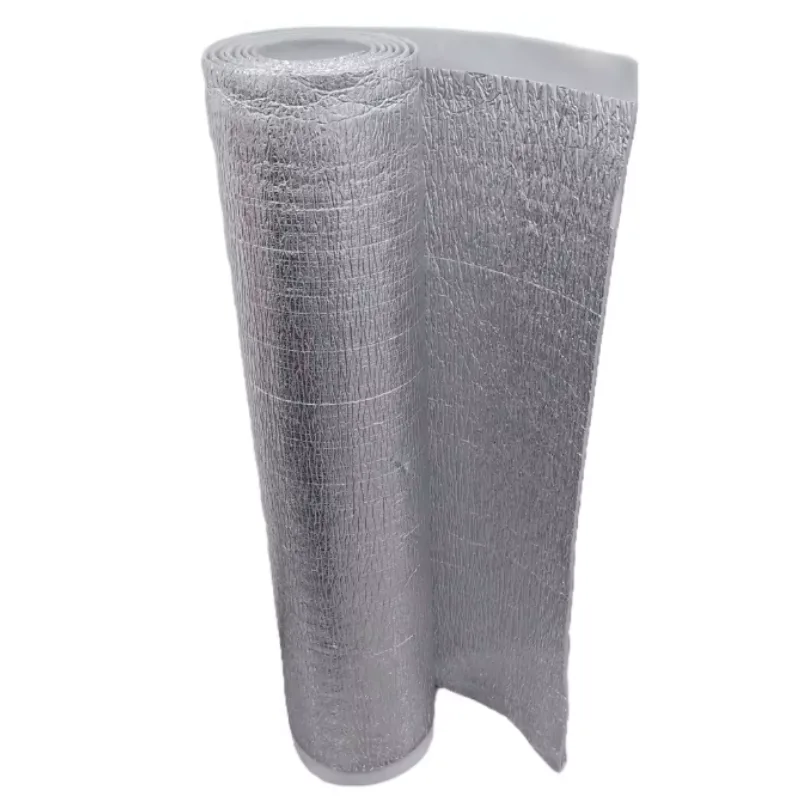
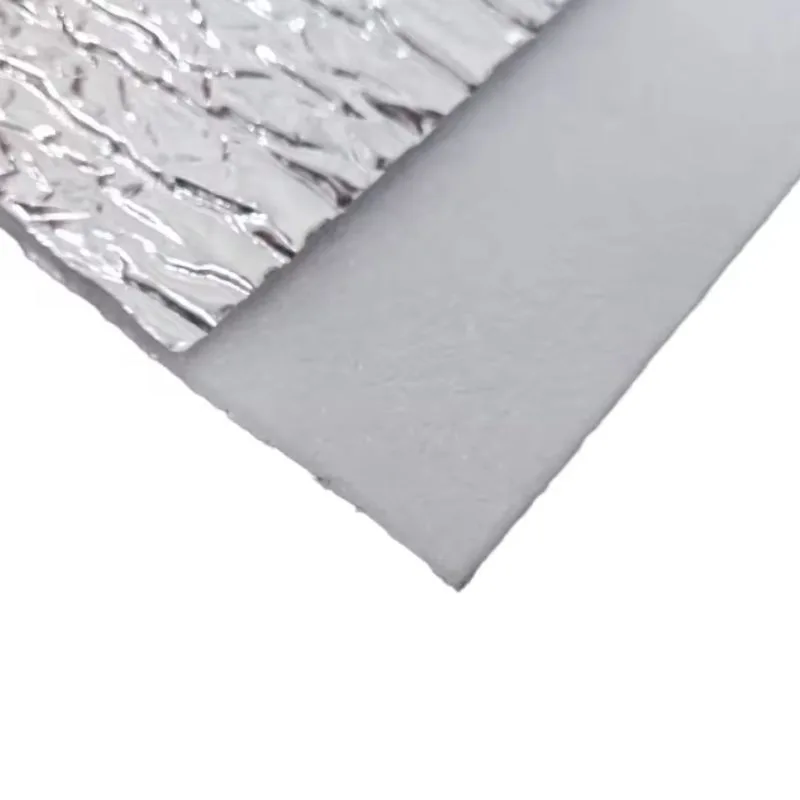
Reflective Foil Insulation with expanded polyethylene (EPE) foam is a high-performance thermal insulation material designed to improve energy efficiency and comfort in metal buildings, industrial warehouses, commercial structures, and residential roofs. Featuring a multi-layer reflective foil surface, this insulation combines radiant heat rejection with foam cushioning, making it ideal for reducing heat transfer through metal roofs and walls. Its lightweight design, moisture resistance, and ease of installation make it a top choice for builders, contractors, and DIY projects.
Features
High Thermal Reflectivity – Reflects up to 97% of radiant heat, reducing heat gain in hot climates and heat loss in cold conditions.
Lightweight Expanded Polyethylene (EPE) Core – Closed-cell foam core provides excellent thermal resistance, cushioning, and sound dampening.
Dual-Sided Reflective Foil – Both sides feature reflective aluminum foil to maximize radiant heat rejection from roof surfaces and internal spaces.
Moisture & Vapor Barrier – Foil surface resists water, vapor, and condensation, protecting building interiors from moisture damage.
Easy Installation – Flexible rolls or sheets that can be cut with a utility knife and installed over rafters, purlins, or between metal panels.
Durable and Long-Lasting – Resistant to aging, corrosion, and degradation under normal environmental conditions.
Improved Comfort & Lower Utility Bills – Helps maintain stable indoor temperatures, reducing load on HVAC systems.
Versatile Applications – Suitable for metal roofs, walls, ceilings, attics, garages, warehouses, cold storage, and agricultural buildings.
Specifications
| Specification | Details |
|---|---|
| Material | Expanded polyethylene (EPE) foam + Reflective aluminum foil |
| Core Thickness | Typically 3 mm – 10 mm (varies by model) |
| Foil Thickness | 12–30 µm reflective aluminum |
| Thermal Resistance (R-Value) | Varies by thickness (higher thickness = higher R-value) |
| Reflectivity | Up to 95–97% of radiant heat |
| Roll Width | Standard widths 1 m–2 m (model dependent) |
| Roll Length | 10 m, 20 m, or custom |
| Color | Silver reflective finish |
| Vapor Barrier | Yes (foil layer acts as barrier) |
| Flame-Resistance | Some grades offer Class C or B ratings (check model) |
Benefits & Advantages
Superior Thermal Control: Reflective insulation significantly reduces radiant heat transfer — ideal for metal roofs where heat buildup is common.
Moisture Protection: Reflective foil combined with PE foam limits condensation and eliminates dampness in building cavities.
Noise Reduction: Foam core also provides sound attenuation, reducing noise from rain or external impacts.
Comfort & Savings: By reducing heat gain and loss, interior spaces are more comfortable year-round and energy costs are lowered.
Quick & Flexible Installation: Lightweight, flexible sheets are easily handled and installed by professionals or DIYers.
Applications
Metal Rooftops & Walls — Primary use for factories, warehouses, and agricultural buildings.
Attics & Ceilings — Helps block radiant heat at the roof surface.
Garages & Workshops — Improves comfort and reduces temperature swings.
Cold Storage Rooms — Enhances thermal control in controlled environments.
Industrial & Commercial Projects — Used in retrofits and new builds for energy efficiency compliance.
Residential Buildings — Under shingles, in crawl spaces, or behind drywall when proper fire safety guidelines are followed.
Installation Tips
Surface Preparation: Ensure roof or wall surfaces are clean, dry, and clear of sharp edges.
Measure & Cut: Use a sharp utility knife to cut insulation to fit between purlins or studs.
Secure Attachment: Use staples, tape, or mechanical fasteners designed for metal buildings.
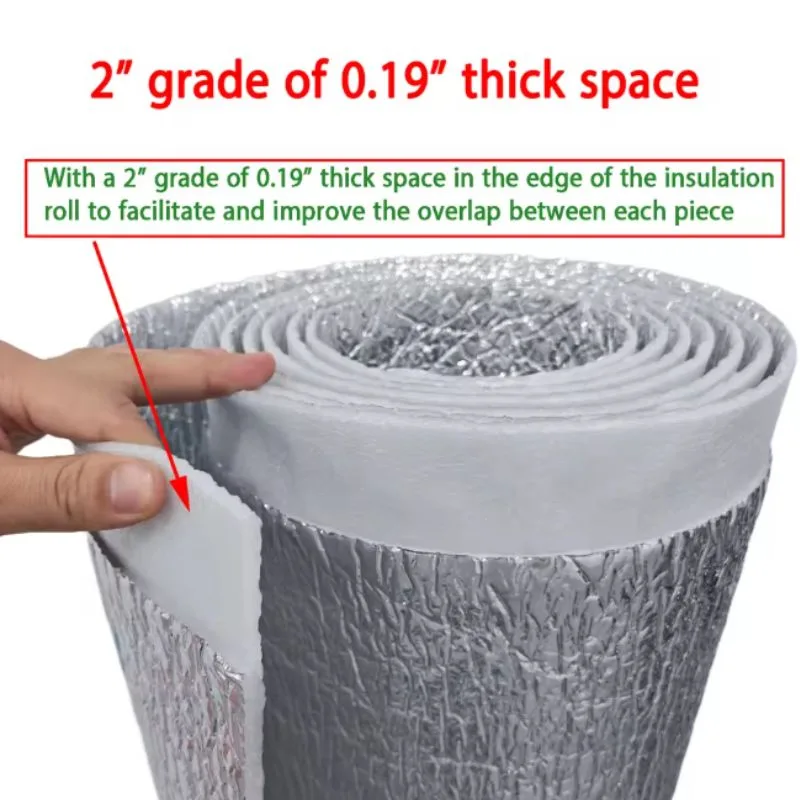
Seal Edges: Overlap seams and seal with foil tape to maintain thermal performance and vapor barrier integrity.
Safety First: Wear gloves and eye protection when handling foil insulation.
Maintenance & Care
Minimal Maintenance: Once installed, reflective insulation requires little to no upkeep.
Periodic Inspection: Check periodically for tears, moisture, or loose seams.
Repair Damage Promptly: Use compatible foil tape or replacement pieces for patching damaged sections.
Protect Against Punctures: Avoid placing heavy objects or tools directly on insulation surfaces.
Why Choose Reflective Foil Insulation for Metal Buildings?
Reflective foil insulation with an expanded polyethylene foam core is engineered for maximum radiant heat rejection, moisture control, and ease of installation. It enhances comfort in hot and cold climates, reduces energy costs, and extends the lifespan of metal building structures. Whether you’re building a new structure or retrofitting existing spaces, this insulation is a high-performance, cost-effective solution for superior thermal management.

There are no reviews yet.