

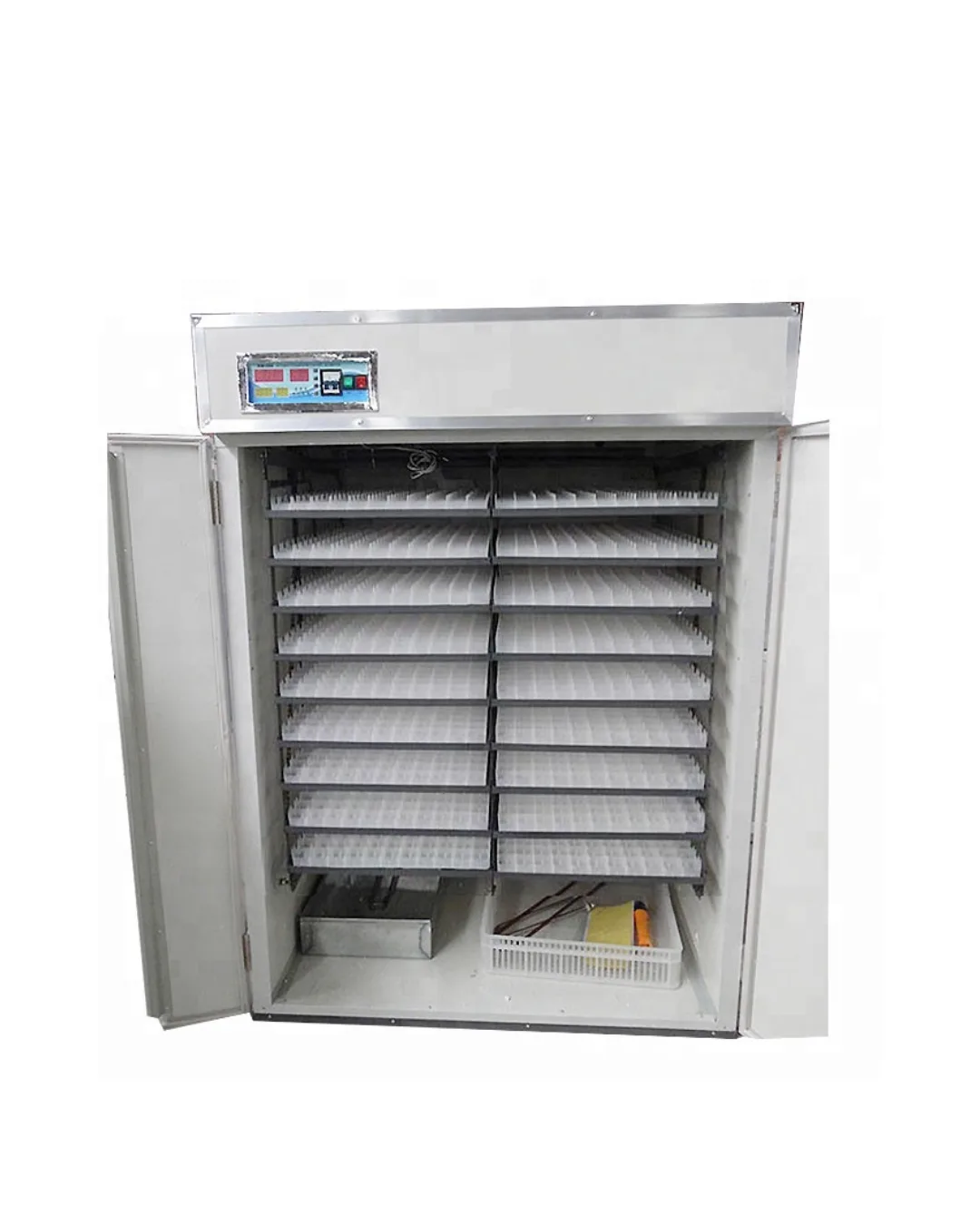
An automatic egg incubator is a motorized hatching device that precisely controls temperature, humidity, and egg rotation. It mimics a mother hen to maximize hatch rates for poultry, making it ideal for hobbyists, farmers, and classrooms.
Key Features
-
- Automated Turning: Motors tilt or roll the eggs several times a day to prevent the embryo from sticking to the shell. This turning mechanism stops 2–3 days before the hatch date.
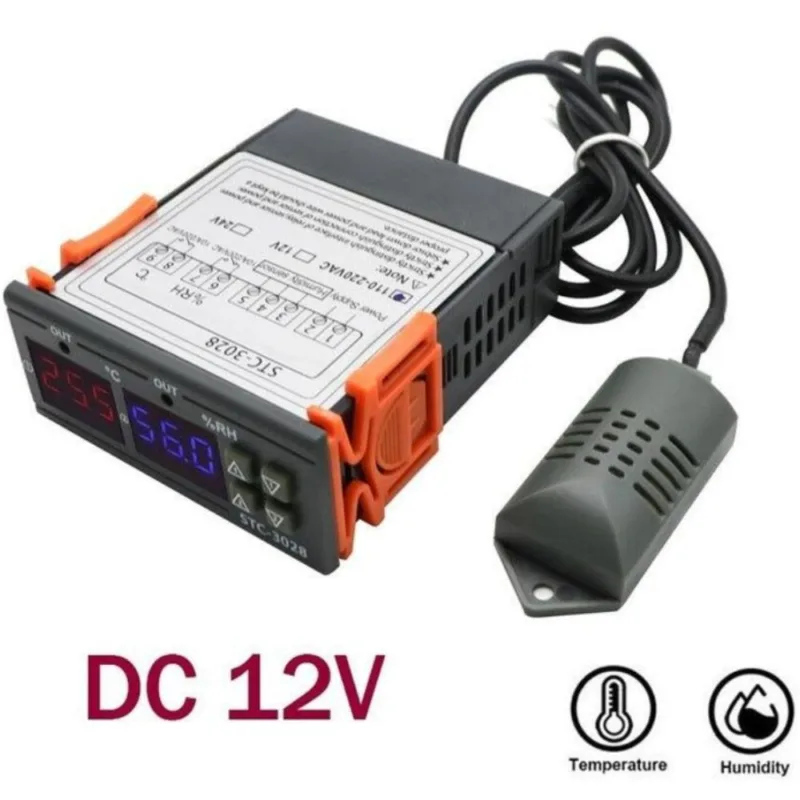
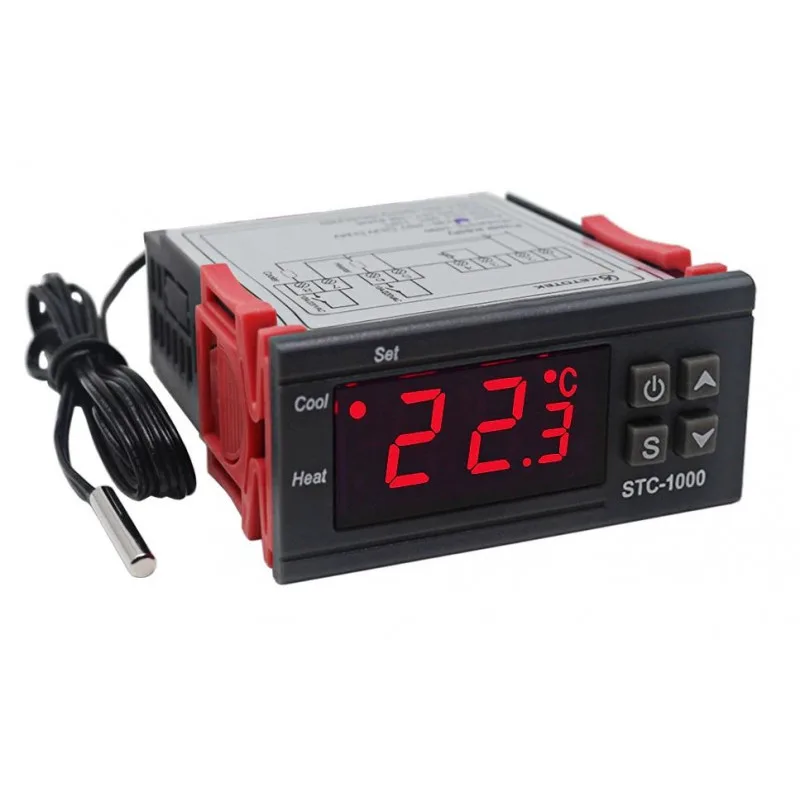
- Climate Control: Built-in sensors maintain an optimal temperature (typically \(37.5\,^{\circ}\text{C}\) or \(99.5\,^{\circ}\text{F}\)) and humidity (50–55% during incubation; 65–70% at hatching).
- Smart Indicators: Advanced digital panels display incubation countdowns, current conditions, and will alarm if temperatures fluctuate.
- Integrated Candler: Many modern models include bottom-lit candlers so you can check for embryo development.
Optimal Hatching Guidelines
Proper setup and monitoring ensure healthy hatchlings:
- Placement: Place eggs with the blunt, wide end pointing up.
- Temperature: Maintain a steady \(37.5\,^{\circ}\text{C}\) [\(0.5.13\)]. (Avoid opening the lid frequently to prevent heat loss).
- Humidity: Keep water channels filled. Increase humidity during the final 3 days of the cycle (the “lockdown” phase) to soften the shell for hatching.
- Cleaning: Use snap-clean models or wipe down the shell/water trays to prevent bacterial contamination after a hatch.

Here’s the core setup for chicken eggs:
| Factor | Typical Setting |
|---|---|
| Temperature | 99.5°F (37.5°C) |
| Humidity (days 1–18) | 50–55% |
| Humidity (days 19–21) | 65–70% |
| Turning | Automatic, several times daily |
| Hatch time | About 21 days |
T=37.5∘C≈99.5∘FT=37.5^\circ C \approx 99.5^\circ F
Most automatic incubators include:
- Digital thermostat
- Humidity tray or water channels
- Automatic egg turner
- Ventilation fan
- Egg candler (sometimes built in)
- Alarm system for temperature swings
A typical process looks like this:
- Set up the incubator on a stable surface away from direct sunlight or drafts.
- Run it empty for several hours to stabilize temperature and humidity.
- Place fertile eggs pointy-end down.
- Let the auto-turner rotate the eggs until day 18.
- Stop turning at “lockdown” (day 18 for chickens).
- Increase humidity for hatching.
- Avoid opening the lid during hatch time.
Reliable sources consistently emphasize that stable temperature matters more than almost anything else.
For beginners, automatic turners are strongly recommended because manual turning usually requires rotating eggs multiple times daily for three weeks.

There are no reviews yet.